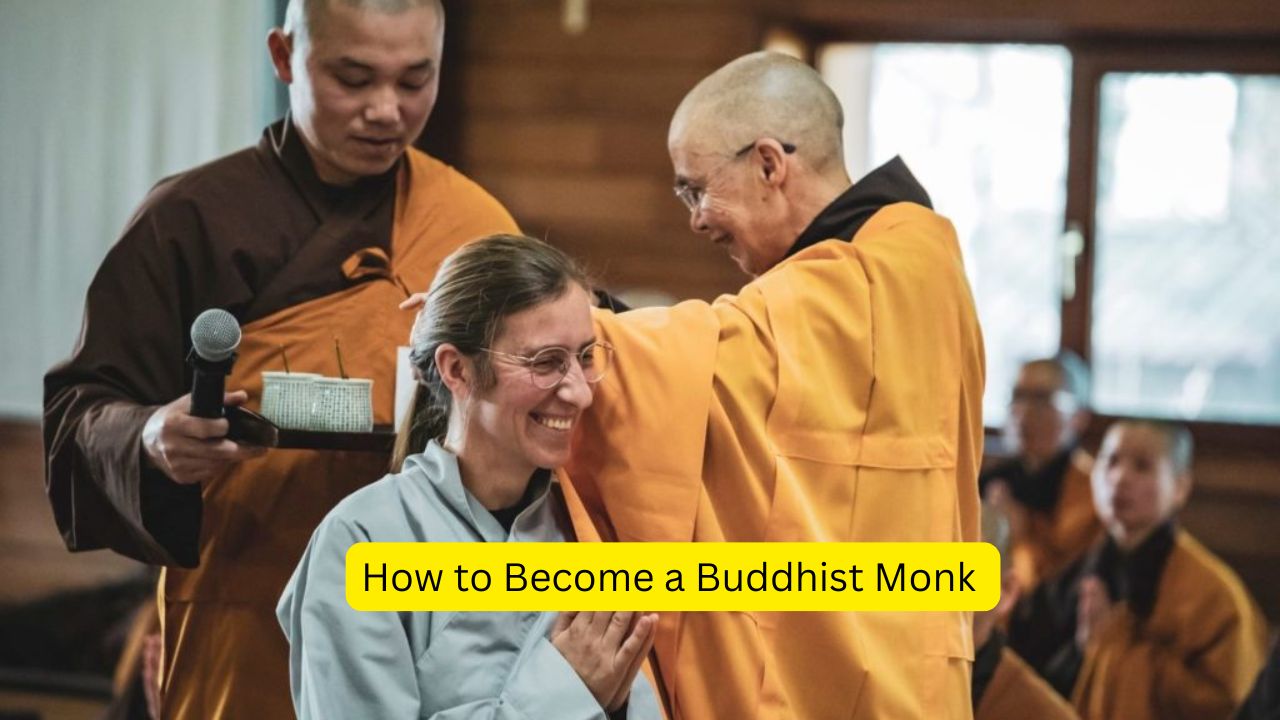
Becoming a Buddhist monk is not just about wearing robes and living in a monastery. It’s about transforming your entire life. It’s like pressing the reset button on everything—your identity, your desires, your attachments. Sounds intense? It is. But it’s also deeply peaceful.
If you’ve ever wondered how to become a Buddhist monk, you’re in the right place. Let’s walk through this journey step by step.
Understanding the Meaning of Being a Buddhist Monk
Who Is a Buddhist Monk?
A Buddhist monk is someone who dedicates his life fully to the teachings of the Buddha. He lives by strict moral rules, practices meditation daily, studies scriptures, and aims for enlightenment.
This isn’t a part-time commitment. It’s a full surrender.
The Purpose of Monastic Life
Why do monks renounce worldly life? Because the goal is freedom from suffering. According to Buddhism, attachment causes suffering. Monastic life reduces attachment and creates space for wisdom and compassion.
Renunciation and Simplicity Explained
Renunciation doesn’t mean hating the world. It means understanding it deeply. Imagine carrying a heavy backpack your whole life. Becoming a monk is like putting down that backpack.
Simple food. Simple clothes. Simple shelter. Simple mind.
Different Types of Buddhist Traditions
Before becoming a monk, you must understand that Buddhism has different schools.
Theravada Buddhism
Popular in Thailand, Sri Lanka, and Myanmar. Focuses on strict discipline and early Buddhist teachings.
Mahayana Buddhism
Common in China, Japan, Korea, and Vietnam. Emphasizes compassion and helping others achieve enlightenment.
Vajrayana Buddhism
Found mainly in Tibet and parts of India. Includes advanced meditation techniques and rituals.
Choosing the Right Path for You
Each tradition has its own style. Visit monasteries. Speak to monks. Feel the environment. Your heart will tell you where you belong.
Why Do People Choose Monastic Life?
Spiritual Growth and Enlightenment
Many people become monks to seek Nirvana—the end of suffering. It’s the ultimate spiritual goal.
Escaping Material Attachments
Tired of chasing money, status, and endless desires? Monastic life removes these distractions.
Serving Humanity
Monks teach, guide, and inspire communities. Their life becomes a service.
Basic Requirements to Become a Buddhist Monk
Age and Physical Health
Most monasteries require you to be at least 20 years old for full ordination. You should be physically healthy.
Mental Stability
You must be mentally strong. Monastic life demands emotional maturity and stability.
Permission from Family
In many traditions, parental consent is necessary, especially if you’re young.
Preparing Yourself Before Joining a Monastery
Practicing Meditation
Start meditating daily. Even 10–20 minutes a day builds mental discipline.
Learning Buddhist Teachings
Read about the Four Noble Truths and the Eightfold Path. Understand karma and impermanence.
Understanding the Five Precepts
- Do not kill
- Do not steal
- Avoid sexual misconduct
- Do not lie
- Avoid intoxicants
These are the foundation of Buddhist morality.
Finding a Monastery
Local Monasteries
Search for Buddhist centers in your city. Visit regularly.
International Monasteries
Many monasteries in Thailand, Nepal, Sri Lanka, and India accept foreign applicants.
What to Expect During Your First Visit
You won’t be ordained immediately. You’ll stay as a guest. You’ll observe routines. You’ll wake up early. You’ll meditate. You’ll clean. It’s a test of sincerity.
The Ordination Process
Temporary Ordination
In countries like Thailand, temporary ordination is common. You may become a monk for a few weeks or months.
Novice Ordination (Samanera)
You shave your head, wear robes, and follow 10 precepts.
Full Ordination (Bhikkhu)
After proper training, you take full vows and follow over 200 rules under the Vinaya (monastic code).
This is a lifetime commitment—unless you decide to leave.
Daily Life of a Buddhist Monk
Morning Routine
Wake up around 4 AM. Meditation begins before sunrise.
Alms Round
Monks walk silently to collect food offered by laypeople.
Study and Meditation
The day includes scripture study, chanting, and long meditation sessions.
Following the Vinaya Rules
Discipline is strict. No handling money. No romantic relationships. No entertainment.
Challenges of Monastic Life
Detachment from Family
You may rarely see loved ones.
Strict Discipline
Over 200 rules can feel overwhelming.
Mental Challenges
Silence brings your thoughts forward. You face yourself completely.
But growth comes from discomfort.
Can You Leave Monastic Life?
Returning to Lay Life
Yes, you can disrobe. Many monks return to normal life.
Life After Disrobing
The experience often makes you calmer, wiser, and more disciplined.
Financial and Practical Considerations
Living Without Money
Monks do not earn money. They rely on donations.
Support from the Community
Lay supporters provide food, clothing, and medicine.
It’s a life built on trust and generosity.
Women and Monastic Life
Becoming a Buddhist Nun
Women can become nuns (Bhikkhuni), though opportunities vary by country.
Differences Between Monk and Nun Ordination
Some traditions offer equal ordination; others have historical limitations.
Is Becoming a Monk Right for You?
Ask yourself:
- Am I ready to give up relationships?
- Can I live with minimal possessions?
- Am I seeking truth or escaping problems?
Becoming a monk is not running away. It’s walking directly into reality.
Signs You May Be Ready
- Strong desire for spiritual life
- Comfort with solitude
- Deep compassion for others
Read also:-
- Was Jagannath Temple a Buddhist Temple? A Deep Historical Exploration
- How Many Buddhist Countries in the World?
Final Thoughts on Becoming a Buddhist Monk
Becoming a Buddhist monk is one of the most radical life choices you can make. It’s not glamorous. It’s not easy. It’s disciplined, quiet, and deeply transformative.
It’s like planting a seed in silence and waiting patiently for enlightenment to bloom.
If your heart feels called, take the first small step. Visit a monastery. Meditate daily. Learn slowly.
Every journey begins with a single mindful breath.
FAQs:-
1. How long does it take to become a Buddhist monk?
It can take months to years, depending on the tradition and your preparation.
2. Can anyone become a Buddhist monk?
Most healthy adults can, but each monastery has specific requirements.
3. Do monks completely avoid family contact?
Not always, but contact is limited to maintain detachment.
4. Do Buddhist monks use phones or the internet?
Some modern monasteries allow limited use, but traditional ones restrict it.
5. Is becoming a monk permanent?
It can be lifelong, but you may return to lay life if you choose.