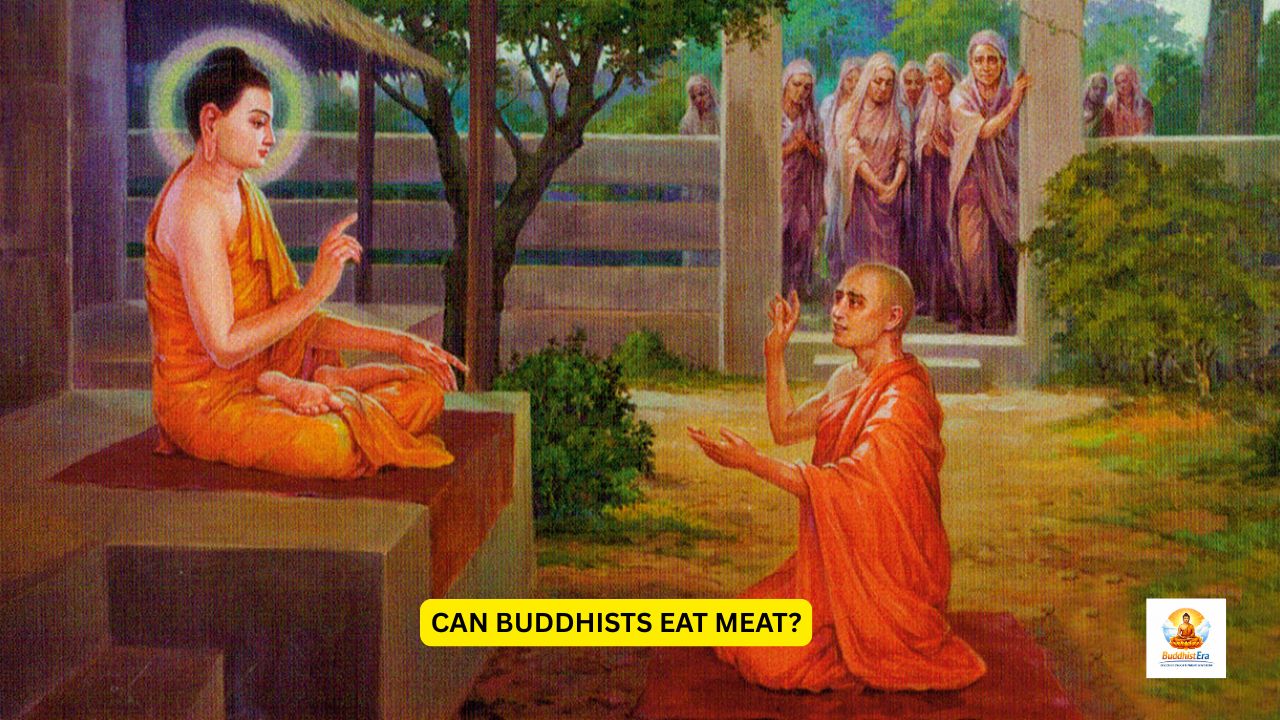
Buddhism often gets wrapped in a peaceful, vegetarian image—monks in orange robes, serene faces, bowls of rice and vegetables. So it’s natural to ask: can Buddhists eat meat?
The short truth? Yes, some Buddhists eat meat, and some don’t. But the real answer is far deeper, more nuanced, and far more interesting than a simple yes or no.
Let’s break it down calmly, clearly, and honestly—without myths, guilt, or confusion.
Understanding the Core Philosophy of Buddhism
The Meaning of Ahimsa (Non-Violence)
At the heart of Buddhism lies ahimsa, or non-violence. This principle encourages Buddhists to avoid causing harm to any living being. Sounds like vegetarianism, right? Not so fast.
Ahimsa is about intention, not just action. Buddhism places huge importance on what’s happening in your mind, not just on your plate.
Compassion as the Heart of Buddhist Practice
Compassion (karuṇā) is central to Buddhist life. It means caring deeply about suffering—yours and others’. But compassion doesn’t always translate into strict dietary rules. Buddhism isn’t a rulebook religion; it’s more like a compass.
What Did Buddha Actually Teach About Eating Meat?
Historical Context of Buddha’s Teachings
The Buddha lived over 2,500 years ago in ancient India. Monks didn’t cook, farm, or shop. They survived on alms—whatever food people placed in their bowls.
Refusing food was considered disrespectful and prideful.
The Concept of Alms and Food Acceptance
Monks were taught to accept food without preference. Whether it was rice, vegetables, or meat, attachment and rejection were both seen as obstacles to enlightenment.
The “Threefold Rule” Explained
The Buddha allowed meat if three conditions were met:
- The monk did not see the animal being killed.
- The monk did not hear it being killed.
- The monk did not suspect it was killed specifically for them.
If these conditions were met, eating meat was permitted.
Different Buddhist Traditions and Meat Consumption
Theravāda Buddhism and Meat Eating
Common in Sri Lanka, Thailand, Myanmar, and Cambodia, Theravāda Buddhism generally allows meat. Monks still follow the alms tradition and eat what is offered.
Vegetarianism is respected—but not required.
Mahāyāna Buddhism and Vegetarianism
Popular in China, Korea, Vietnam, and Japan, Mahāyāna Buddhism strongly encourages vegetarianism. Some sutras explicitly promote avoiding meat to cultivate compassion.
Many Mahāyāna monks are strictly vegetarian.
Vajrayāna (Tibetan) Buddhism Perspective
In Tibet and Himalayan regions, vegetables historically weren’t available year-round. Survival mattered. As a result, meat consumption became normal, even among monks.
Context matters. Always.
Why Some Buddhists Choose Vegetarianism
Ethical Reasons
Many Buddhists feel eating meat indirectly supports killing. Even if they didn’t kill the animal themselves, they don’t want to participate in the cycle of harm.
Spiritual Discipline and Mindfulness
Vegetarianism can sharpen mindfulness. Every meal becomes a conscious act of compassion rather than habit.
Environmental and Modern Influences
Today, factory farming, climate change, and animal cruelty push many Buddhists toward vegetarian or vegan lifestyles—out of modern compassion.
Why Some Buddhists Eat Meat
Cultural and Geographic Factors
In cold regions or poorer areas, meat is often essential for survival. Buddhism never demanded people suffer unnecessarily.
Health, Survival, and Practicality
Children, elderly people, or those with medical needs may require animal-based nutrition. Buddhism values wisdom, not blind rules.
Intent vs Action in Buddhist Ethics
Eating meat isn’t the same as killing. Karma depends on intention. Buying meat mindlessly and eating it mindfully are two very different mental states.
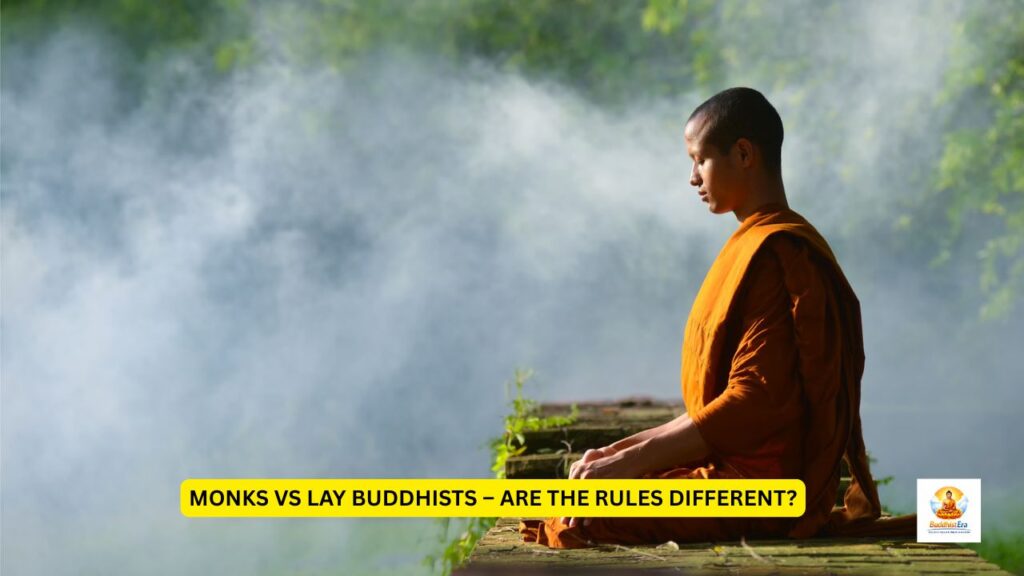
Monks vs Lay Buddhists – Are the Rules Different?
Monastic Dietary Rules
Monks follow stricter discipline, but even they aren’t universally vegetarian. Their main rule is detachment, not diet.
Lay Buddhist Flexibility
Lay Buddhists live in the real world—jobs, families, health concerns. Buddhism allows flexibility as long as actions are rooted in awareness and kindness.
Modern Buddhism and Changing Food Choices
Veganism and Buddhism
Veganism aligns beautifully with Buddhist compassion. Many modern Buddhists adopt it—not because they must, but because it feels right.
Globalization and Contemporary Practice
As Buddhism spreads globally, cultural interpretations evolve. Western Buddhists often combine meditation with ethical eating.
Common Myths About Buddhists and Meat Eating
“All Buddhists Are Vegetarian”
False. Buddhism is not monolithic. It adapts.
“Eating Meat Breaks Buddhist Rules”
There is no universal Buddhist rule banning meat.
Can a Buddhist Eat Meat and Still Be Compassionate?
Mindful Eating Explained
Yes. Eating slowly, gratefully, and with awareness reduces greed and disrespect.
Reducing Harm in Daily Life
Some Buddhists eat less meat, choose ethical sources, or dedicate prayers for the animal’s life. Compassion takes many forms.
Practical Guidance for Buddhists Wondering About Meat
Questions to Ask Yourself
- Am I eating this out of habit or need?
- Am I aware of suffering involved?
- Can I reduce harm today?
Finding Balance Without Guilt
Guilt isn’t enlightenment. Awareness is.
What Buddhist Scriptures Say About Meat Consumption
Pali Canon References
The earliest texts allow meat under the Threefold Rule.
Mahāyāna Sutras on Vegetarianism
Some later sutras strongly promote vegetarianism—but mainly for cultivating compassion, not punishment.
Buddhism vs Other Religions on Meat Eating
Buddhism and Hinduism
Hinduism leans more toward vegetarianism as duty. Buddhism focuses more on intention.
Buddhism and Jainism
Jainism is extremely strict about non-violence. Buddhism is gentler and more flexible.
Is Eating Meat a Sin in Buddhism?
The Concept of Sin vs Karma
Buddhism doesn’t believe in sin. Only karma.
How Karma Actually Works
Karma depends on intent, action, and awareness—not labels.
Final Thoughts Before Choosing
Personal Path Over Rigid Rules
Buddhism is a path, not a prison. Whether you eat meat or not, what truly matters is reducing suffering—inside and outside.
Read also:-
- What Is Buddhist Philosophy? A Complete Beginner-Friendly Guide
- How to Join a Buddhist Monastery in India
Conclusion:-
So, can Buddhists eat meat?
Yes—and many do. Others don’t. Buddhism doesn’t command; it invites reflection. The plate matters less than the mind holding it. Eat with awareness, live with compassion, and walk your path honestly—that’s the Buddhist way.
FAQs:
1. Is vegetarianism mandatory in Buddhism?
No. It is encouraged in some traditions but not mandatory.
2. Did Buddha eat meat?
Yes, according to early texts, he accepted meat offered as alms.
3. Can a Buddhist be vegan?
Absolutely. Many modern Buddhists choose veganism.
4. Does eating meat create bad karma?
Only if intention involves harm, greed, or cruelty.
5. Which Buddhist tradition is strictly vegetarian?
Many Mahāyāna traditions strongly promote vegetarianism.