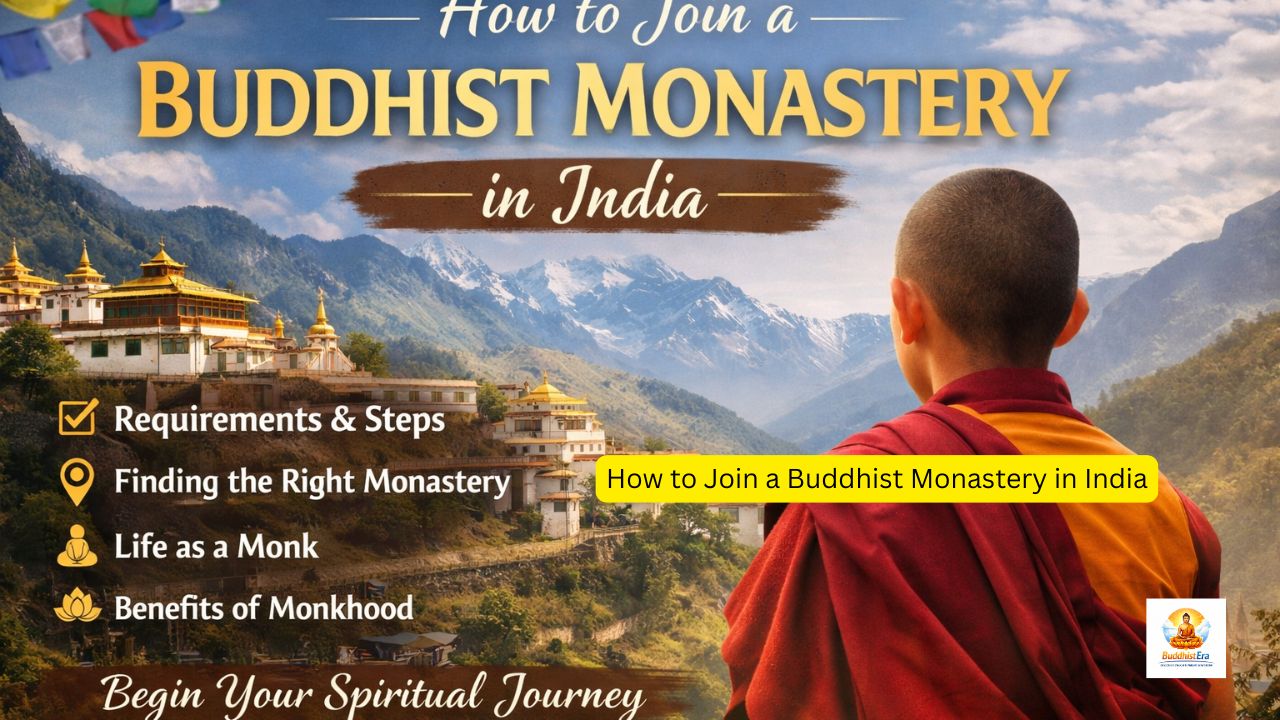
Meaning of Monkhood
Monkhood means dedicating your life to spiritual practice. You let go of material desires and focus on wisdom, compassion, and self-discipline.
Why People Choose This Path
Some people are tired of stress and competition. Others seek truth and inner peace. Many feel a deep calling to understand life beyond money and status.
Understanding Buddhism Before Joining
Before entering a monastery, you must understand what Buddhism really teaches. Without this foundation, monastic life can feel confusing.
Core Teachings
Buddhism is based on understanding suffering and learning how to overcome it.
Four Noble Truths
- Life includes suffering
- Desire causes suffering
- Suffering can end
- The path leads to freedom
Eightfold Path
This path includes right thinking, right speech, right action, and right mindfulness. It guides monks in daily life
Types of Buddhist Traditions in India
India hosts different Buddhist traditions. Each has its own style and focus.
Theravāda
This tradition focuses on early teachings and strict discipline. It is common in traditional monasteries.
Mahāyāna
Mahāyāna emphasizes compassion and helping all beings. It is more flexible in practice.
Vajrayāna
Vajrayāna includes advanced rituals and meditation techniques. It is popular in Himalayan regions.
Who Can Join a Buddhist Monastery
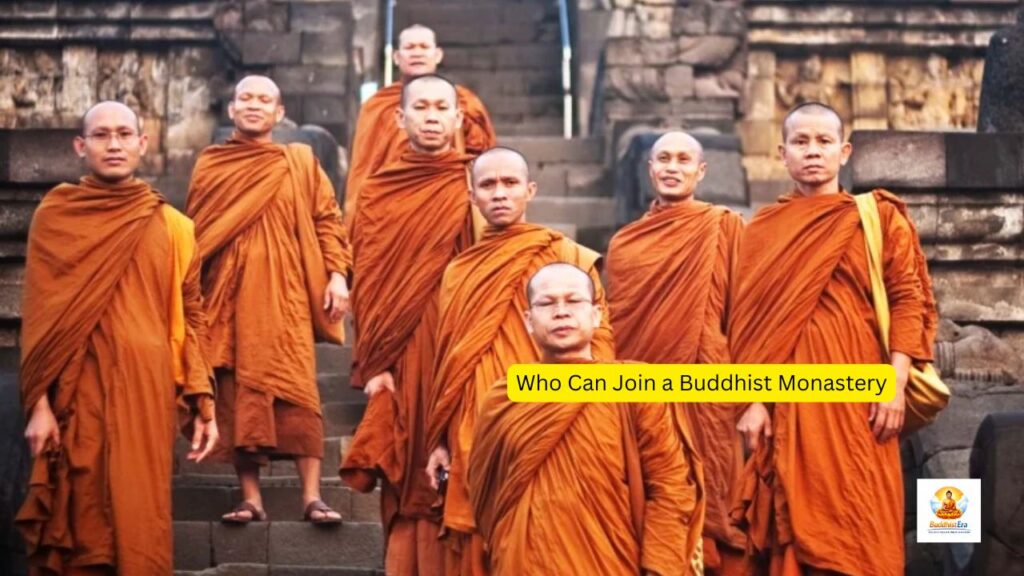
Not everyone can join immediately. Certain conditions apply.
Age Requirements
Most monasteries accept candidates between 18 and 35. Some allow older applicants if they are healthy.
Educational Background
Formal education is not always required. However, basic literacy helps in studying scriptures.
Health and Mental Fitness
You must be physically fit and mentally stable. Monastic life is demanding.
Basic Requirements for Becoming a Monk
Documents Needed
Usually, you need:
- Identity proof
- Birth certificate
- Passport-size photos
- Medical report
Personal Qualities
Monasteries look for humility, patience, honesty, and willingness to learn.
Preparing Yourself Mentally and Emotionally
Joining a monastery is like changing your entire life’s direction.
Letting Go of Material Life
You must be ready to give up luxury, social media, and personal possessions.
Building Discipline
Early waking, silence, and routine become part of daily life. Discipline is the backbone of monkhood.
Learning Meditation and Mindfulness
Meditation is the heart of Buddhism.
Beginner Practices
Start with breathing meditation. Sit quietly and observe your breath.
Daily Meditation Routine
Most monasteries practice meditation 2–4 hours daily. Regular practice builds focus and calmness.
Finding the Right Monastery in India
Choosing the right monastery is like choosing the right teacher.
Research Methods
- Search online
- Read reviews
- Watch documentaries
- Talk to former monks
Visiting in Person
Visit before applying. Stay for a few days and observe daily life.
Contacting the Monastery Authorities
Writing an Application
Write a simple letter explaining:
- Your background
- Your motivation
- Your commitment
Be honest and respectful.
Interview Process
You may face interviews. Teachers will test your sincerity and patience.
Life as a Novice Monk
Most candidates start as novices.
Daily Schedule
A typical day includes:
- 4:30 AM wake-up
- Morning prayers
- Meditation
- Study
- Community work
- Evening meditation
Rules and Responsibilities
You must follow rules like:
- No stealing
- No lying
- No violence
- No intoxicants
Ordination Process in India
Temporary Ordination
Some monasteries offer short-term ordination for testing commitment.
Full Ordination
After months or years, you may receive full monk status through a formal ceremony.
Education and Training in Monasteries
Scriptural Studies
You study Buddhist texts, philosophy, and ethics.
Language Learning
Many monasteries teach Pali, Sanskrit, or Tibetan for deeper understanding.
Financial and Living Arrangements
Donations and Support
Monks live on donations. They do not earn salaries.
Basic Lifestyle
You get simple food, shared rooms, and basic clothing. Comfort is minimal.
Challenges of Monastic Life
Monkhood is peaceful, but not easy.
Emotional Struggles
Loneliness and homesickness are common in the beginning.
Physical Hardships
Long sitting hours, cold weather, and simple food can be tough.
Benefits of Becoming a Buddhist Monk
Inner Peace
Over time, your mind becomes calm like a still lake.
Spiritual Growth
You gain deep self-awareness and compassion.
Returning to Lay Life (If Needed)
Some monks choose to return to normal life.
Rejoining Society
You can leave with respect. Buddhism allows freedom of choice.
Career Options
Former monks often become teachers, counselors, or writers.
Read also:-
Conclusion:-
Joining a Buddhist monastery in India is not just a career choice. It is a life transformation. It demands courage, patience, and deep self-reflection. If your heart truly seeks peace and wisdom, this path can become your greatest journey. Like planting a seed, the results take time—but the fruit is priceless
Frequently Asked Questions (FAQs)
1. Can foreigners join Buddhist monasteries in India?
Yes, many monasteries accept foreigners if they meet visa and health requirements.
2. Do I need to pay money to become a monk?
No. Genuine monasteries do not charge fees. Donations are voluntary.
3. Can I leave the monastery after joining?
Yes. You are free to leave if you feel the path is not for you.
4. How long does it take to become a full monk?
It usually takes 1 to 5 years, depending on tradition and dedication.
5. Is monkhood suitable for everyone?
No. It suits those who truly desire simplicity, discipline, and spiritual growth.