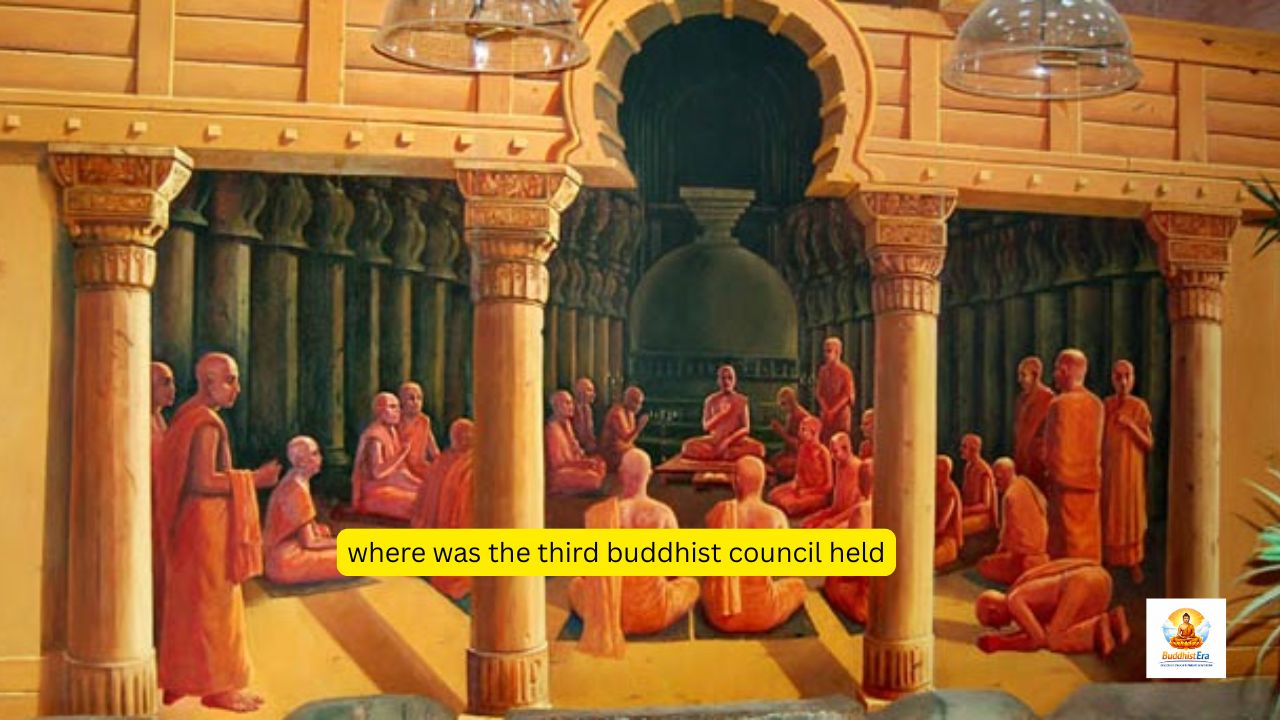
Buddhism, like a river, didn’t flow in a single straight line. Over centuries, it branched, merged, and sometimes got muddy. That’s where Buddhist Councils come in. They were like checkpoints—moments when monks gathered to clean things up, clarify teachings, and keep the Buddha’s message intact.
What Are Buddhist Councils?
Buddhist Councils were formal assemblies of senior monks held to preserve, review, and standardize the teachings of Gautama Buddha. Think of them as ancient quality-control meetings—no PowerPoint slides, just deep discussions and memorization.
Why Were These Councils Important?
Without written texts in the early days, oral transmission was everything. Councils ensured that what was taught remained authentic, consistent, and free from distortion. They also addressed disputes and adapted Buddhism to changing social realities.
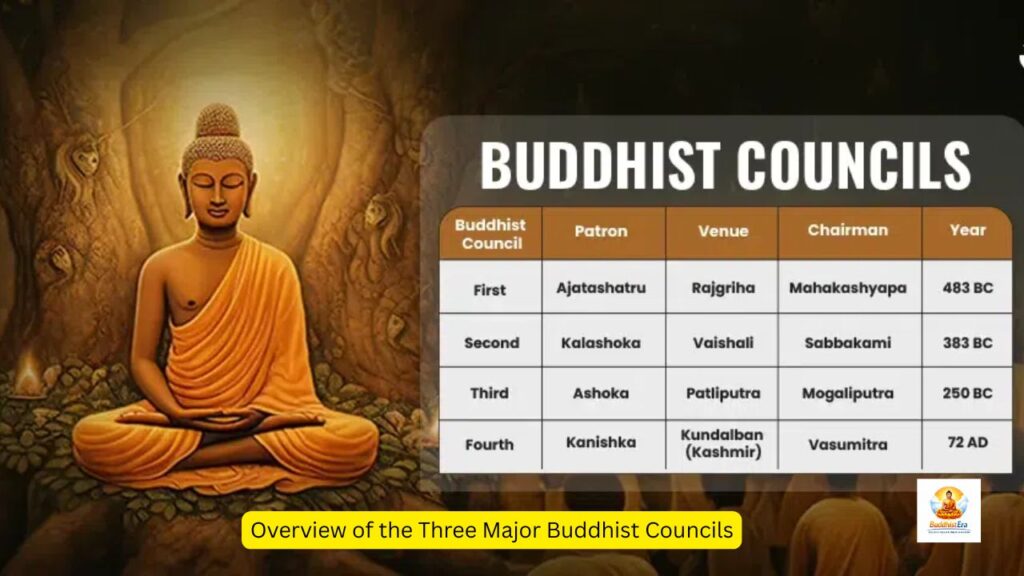
Overview of the Three Major Buddhist Councils
The First Buddhist Council
Location and Purpose
The First Buddhist Council was held at Rajagriha shortly after the Buddha’s death. Its main aim? Preserve his teachings before memories faded.
The Second Buddhist Council
Key Outcomes
Held at Vaishali about a century later, this council dealt mainly with monastic discipline and growing disagreements within the Sangha.
The Third Buddhist Council
Why the Third Council Was Crucial
Unlike the earlier councils, the Third Buddhist Council tackled a serious issue—corruption and doctrinal confusion within the monastic community. Buddhism was spreading fast, and not all growth was healthy.
Where Was the Third Buddhist Council Held?
The City of Pataliputra
The Third Buddhist Council was held at Pataliputra, the grand capital of the Mauryan Empire. This wasn’t a random choice. Pataliputra was the political, cultural, and intellectual heart of ancient India.
Present-Day Location of Pataliputra
Today, Pataliputra is known as Patna, located in the Indian state of Bihar. If you’re walking through Patna now, you’re literally stepping on layers of Buddhist history.
Historical Background of the Third Buddhist Council
The Role of Emperor Ashoka
Emperor Ashoka wasn’t just a ruler; he was a game-changer. After embracing Buddhism, he became its biggest patron. But with royal support came opportunists—people joining the Sangha for benefits, not belief.
Political and Religious Climate of the Time
Buddhism had state backing, wealth, and influence. That’s a blessing and a curse. Diverse philosophical views crept in, creating confusion about what the Buddha actually taught.
Leadership of the Third Buddhist Council
Moggaliputta Tissa
The council was led by Moggaliputta Tissa, a respected monk-scholar. He was like the head referee—deciding what aligned with true Buddhist doctrine and what didn’t.
His Influence on Theravāda Buddhism
Moggaliputta Tissa played a major role in shaping what we now know as Theravāda Buddhism, emphasizing doctrinal purity and analytical clarity.
Main Objectives of the Third Buddhist Council
Purification of the Sangha
The top priority was removing monks who held wrong views or joined for selfish reasons. According to tradition, thousands were expelled.
Removal of Corrupt Practices
The council aimed to separate authentic Buddhist teachings from other philosophies that had sneaked in over time.
Key Decisions Taken at the Council
Compilation of the Kathavatthu
One of the most significant outcomes was the compilation of the Kathavatthu, a text addressing and refuting unorthodox views.
Establishment of Orthodox Teachings
This helped draw a clear line between accepted doctrine and divergent beliefs, bringing stability to the religion.
Doctrinal Outcomes
Strengthening of Theravāda Tradition
The council reinforced teachings that later became central to Theravāda Buddhism, especially in Sri Lanka and Southeast Asia.
Clarification of Buddhist Philosophy
Complex ideas about the self, reality, and liberation were debated and clarified, ensuring philosophical consistency.
Missionary Activities After the Council
Spread of Buddhism Beyond India
After the council, organized missionary efforts were launched. Buddhism didn’t just survive—it went global.
Missions to Sri Lanka and Southeast Asia
Ashoka’s son Mahinda famously took Buddhism to Sri Lanka, where it flourished and preserved Theravāda traditions for centuries.
Historical Sources and Evidence
Buddhist Chronicles
Texts like the Mahavamsa provide detailed accounts of the Third Buddhist Council, though perspectives may vary.
Archaeological Findings
While direct archaeological proof is limited, inscriptions and historical records support the council’s occurrence at Pataliputra.
Importance of Pataliputra in Buddhist History
Pataliputra as a Religious Hub
Beyond politics, Pataliputra was a center of learning, debate, and spiritual exchange.
Cultural and Strategic Significance
Its central location made it ideal for organizing missions across the subcontinent and beyond.
Differences Between the Third Council and Other Councils
Focus on Doctrine vs Discipline
Unlike earlier councils focused on rules, the third zeroed in on philosophical purity.
State Support and Organization
This council had direct imperial backing, making it more structured and far-reaching.
Common Confusions About the Third Buddhist Council
Conflicting Dates and Accounts
Some sources differ on exact dates, but most place it in the 3rd century BCE.
Misconceptions About Location
A common mistake is confusing it with councils held elsewhere. The Third Council was definitively held at Pataliputra.
Why the Third Buddhist Council Still Matters Today
Impact on Modern Buddhism
Many Buddhist traditions today trace their doctrinal roots back to decisions made here.
Lessons for Religious Unity
It shows how dialogue, clarity, and leadership can resolve internal conflicts without violence.
Read also:-
Conclusion:-
So, where was the Third Buddhist Council held? The answer is clear—Pataliputra, modern-day Patna, Bihar. But its significance goes far beyond geography. This council reshaped Buddhism, purified its teachings, and set the stage for its spread across Asia. In many ways, it was the moment Buddhism truly stepped onto the world stage.
FAQs:-
1. Who convened the Third Buddhist Council?
It was convened under the patronage of Emperor Ashoka.
2. Who led the Third Buddhist Council?
The council was led by the monk Moggaliputta Tissa.
3. What was the main purpose of the Third Buddhist Council?
To purify the Sangha and clarify authentic Buddhist doctrine.
4. Which Buddhist text is associated with this council?
The Kathavatthu is closely associated with the Third Buddhist Council.
5. Why is the Third Buddhist Council important today?
It shaped Theravāda Buddhism and influenced how Buddhist teachings are understood and practiced today.