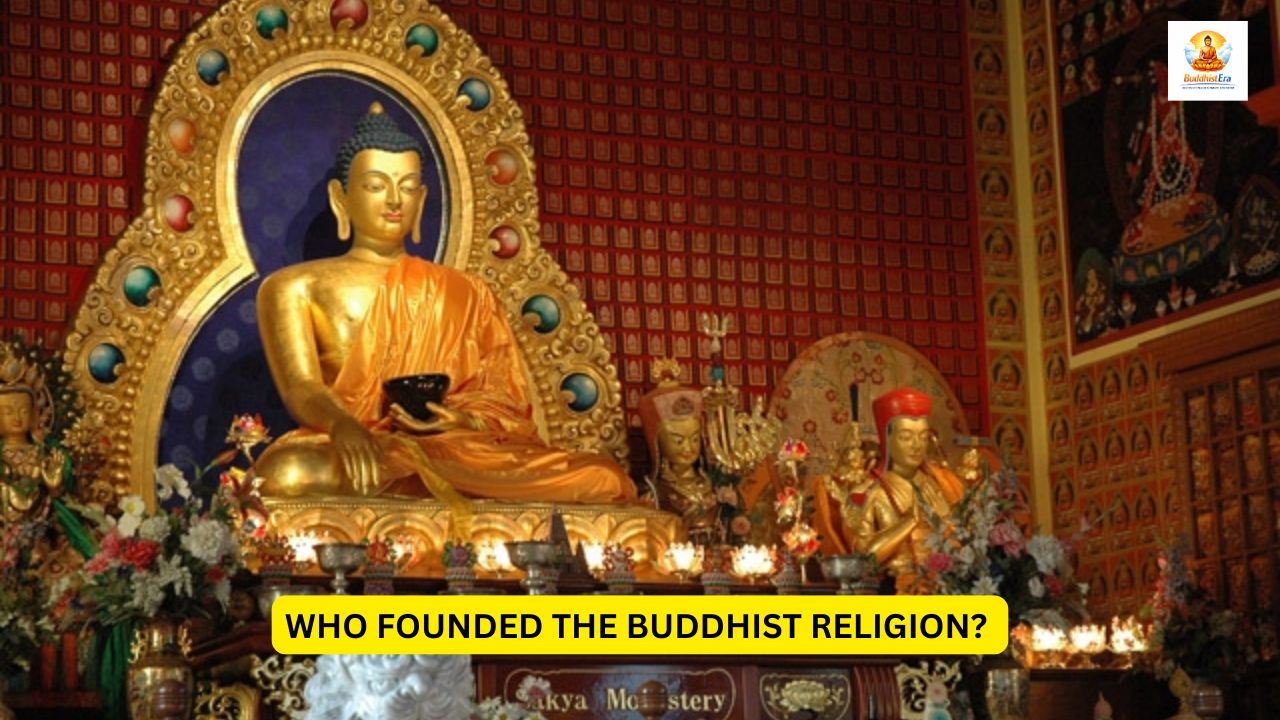
Buddhism is one of the world’s oldest spiritual traditions, practiced by over 500 million people today. It’s not just a religion—it’s a way of life, a philosophy, and a practical guide to understanding suffering and finding inner peace. Unlike belief systems centered on gods or rituals, Buddhism focuses deeply on the human experience.
Why Understanding Its Founder Matters
To truly understand Buddhism, you need to know who started it and why. The story of its founder isn’t just historical trivia—it’s the backbone of Buddhist philosophy. His life itself became the message.
Who Founded the Buddhist Religion?
The Historical Founder Explained
The Buddhist religion was founded by Gautama Buddha, also known as Siddhartha Gautama, in the 5th century BCE in ancient India (modern-day Nepal and India). He was a real historical figure, not a mythical one.
Meaning of the Title “Buddha”
“Buddha” is not a name—it’s a title. It means “the awakened one” or “the enlightened one.” Siddhartha Gautama earned this title after achieving enlightenment, a state of deep understanding about life, suffering, and liberation.
Early Life of Gautama Buddha
Birth and Royal Background
Siddhartha Gautama was born around 563 BCE in Lumbini (present-day Nepal). He was born into a royal family of the Shakya clan. His father was a king, and Siddhartha lived a life of luxury that most people could only dream of.
Family and Childhood Influences
From birth, astrologers predicted Siddhartha would become either a great king or a great spiritual leader. His father, wanting a successor to the throne, shielded him from all forms of suffering.
The Four Sights That Changed Everything
Old Age, Sickness, Death, and Asceticism
Despite efforts to protect him, Siddhartha eventually encountered four life-altering sights:
- An old man
- A sick man
- A dead body
- A wandering ascetic
These sights shook him deeply. For the first time, he realized suffering was unavoidable.
Why These Sights Were a Turning Point
It was like waking up from a dream. Siddhartha understood that wealth and power could not protect anyone from aging, illness, or death.
The Great Renunciation
Leaving the Palace Life
At the age of 29, Siddhartha left behind his wife, child, and royal comforts in a bold move known as The Great Renunciation.
Search for Truth and Meaning
He became a wandering seeker, determined to find the truth behind human suffering—and how to end it.
Years of Ascetic Practice
Extreme Self-Denial
Siddhartha practiced severe asceticism, fasting to the point of near death. He believed self-denial was the key to enlightenment.
Why Asceticism Failed
After six years, he realized extreme suffering didn’t bring wisdom. This insight led to the Middle Way, avoiding both luxury and extreme hardship.
Enlightenment Under the Bodhi Tree
The Night of Awakening
Siddhartha meditated under a Bodhi tree in Bodh Gaya, vowing not to rise until he found the truth.
Becoming the Buddha
After deep meditation, he attained enlightenment at age 35. At that moment, Siddhartha Gautama became the Buddha, the founder of Buddhism.
First Sermon and Birth of Buddhism
The Dharmachakra Pravartana
Buddha delivered his first sermon at Sarnath, known as “Setting the Wheel of Dharma in Motion.”
Formation of the Sangha
His first followers formed the Sangha, the Buddhist monastic community—marking the formal beginning of Buddhism.
Core Teachings Introduced by Buddha
The Four Noble Truths
- Life involves suffering
- Suffering is caused by desire
- Suffering can end
- The Eightfold Path leads to liberation
The Eightfold Path
Right View, Right Intention, Right Speech, Right Action, Right Livelihood, Right Effort, Right Mindfulness, and Right Concentration.
Spread of Buddhism During Buddha’s Lifetime
Teaching Across India
For 45 years, Buddha traveled across northern India teaching people from all walks of life—kings, farmers, criminals, and monks.
Role of Disciples
His disciples helped spread his teachings orally, preserving them for future generations.
Death of Gautama Buddha
Mahaparinirvana
Buddha passed away at age 80 in Kushinagar, entering Mahaparinirvana, the final liberation from the cycle of rebirth.
Buddha’s Final Words
“Be a lamp unto yourselves.” A powerful reminder to rely on personal understanding.
Was Buddhism Founded by One Person?
Buddha as a Teacher, Not a God
Buddha never claimed divinity. He saw himself as a guide showing others the path.
Evolution After His Death
After his death, councils compiled his teachings, leading to different schools of Buddhism.
Historical Evidence of Buddha’s Existence
Archaeological Proof
Sites like Lumbini and Bodh Gaya confirm historical records.
Ancient Texts and Records
Texts like the Tripitaka and Ashokan inscriptions support Buddha’s historicity.
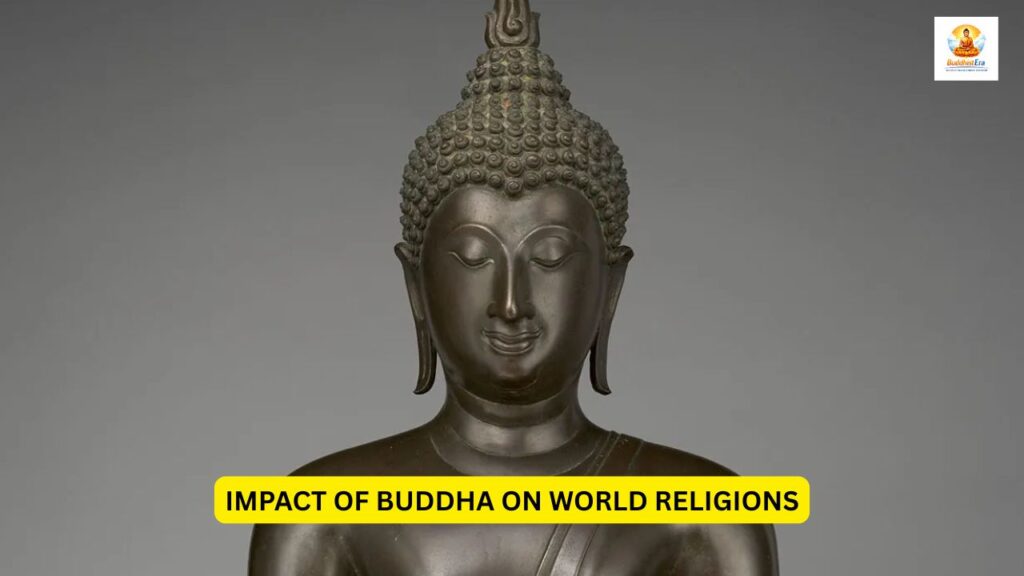
Impact of Buddha on World Religions
Influence Beyond Buddhism
Buddha’s ideas influenced Hinduism, Taoism, mindfulness practices, and modern psychology.
Global Legacy
Today, Buddhism is practiced worldwide, from Asia to the West.
Modern Relevance of Buddhism
Buddhism in Today’s World
Mindfulness, meditation, and compassion-based living are more relevant than ever.
Why Buddha’s Teachings Still Matter
In a chaotic world, Buddha’s message feels timeless—simple, practical, and deeply human.
Read also:-
- Is Sabarimala a Buddhist Temple? The Untold Historical Debate
- How Many Buddhist Countries in the World?
Conclusion:-
The Buddhist religion was founded by Gautama Buddha, a man who dared to question life’s deepest truths and discovered a path to freedom from suffering. His teachings weren’t built on blind faith but on personal experience and understanding. More than 2,500 years later, his wisdom still lights the way for millions seeking peace, clarity, and purpose.
Frequently Asked Questions (FAQs)
1. Who founded the Buddhist religion?
The Buddhist religion was founded by Gautama Buddha (Siddhartha Gautama) in the 5th century BCE.
2. Was Buddha a god?
No, Buddha was a human teacher who attained enlightenment through deep understanding.
3. Where was Buddha born?
He was born in Lumbini, in present-day Nepal.
4. What is the main goal of Buddhism?
The main goal is to end suffering and achieve enlightenment (Nirvana).
5. Is Buddhism a religion or philosophy?
It is both—a spiritual tradition and a practical philosophy of life.