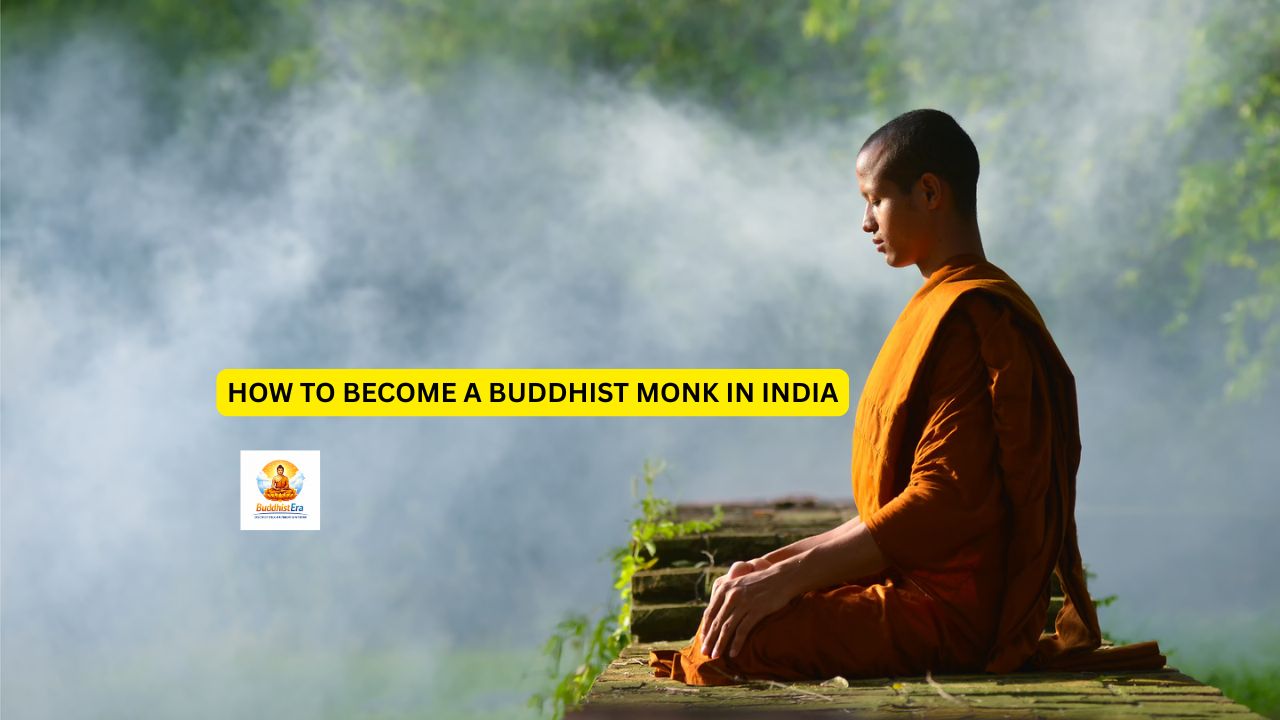
Becoming a Buddhist monk in India is not just a career choice—it’s a life-altering spiritual journey. Imagine stepping away from the noise of everyday life, leaving behind material attachments, and walking a path that leads inward. Sounds intense? It is. But for many, it’s also deeply fulfilling.
India holds a special place in Buddhism. This is where Siddhartha Gautama attained enlightenment and became the Buddha. So if you’re serious about monastic life, India is one of the most meaningful places to begin.
Let’s walk through everything you need to know, step by step.
Understanding Buddhism Before Becoming a Monk
What Is Buddhism?
Buddhism is a spiritual path focused on understanding the nature of suffering and freeing oneself from it. It’s not about worshipping a god, but about self-realization, wisdom, and compassion. At its core, Buddhism teaches you how to live mindfully and ethically.
Core Teachings of Buddhism
The Four Noble Truths
These truths are the foundation of Buddhism:
- Life involves suffering.
- Suffering arises from desire and attachment.
- Suffering can end.
- The path to end suffering is the Eightfold Path.
Simple, right? But living them takes a lifetime.
The Eightfold Path
This path is like a practical roadmap for life—right view, right intention, right speech, right action, right livelihood, right effort, right mindfulness, and right concentration. Monks dedicate their entire lives to practicing this path.
Who Can Become a Buddhist Monk in India?
Eligibility and Age Requirements
There’s no strict upper age limit, but most monasteries prefer candidates who are mentally and physically fit. Some monasteries accept novices as young as 8–12 years (with parental consent), while adults of any age can apply.
Educational and Family Considerations
You don’t need formal education, but basic literacy helps. If you’re married, you usually need your spouse’s consent. Family responsibilities must be resolved before ordination—monkhood requires full commitment.
Types of Buddhist Monks in India
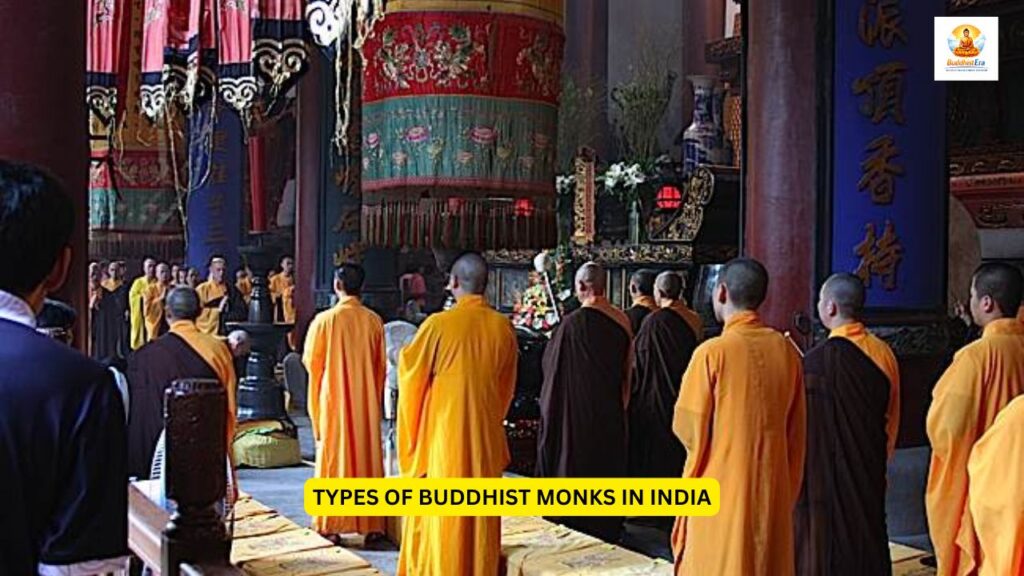
Theravāda Tradition
This is the oldest form of Buddhism, focusing on strict discipline and meditation. Theravāda monasteries are common in places like Bodh Gaya and Sarnath.
Mahāyāna Tradition
Mahāyāna emphasizes compassion and helping all beings achieve enlightenment. This tradition is practiced in many Indian monasteries influenced by East Asian Buddhism.
Vajrayāna (Tibetan Buddhism)
Popular in regions like Ladakh, Sikkim, and Dharamshala, Vajrayāna includes rituals, mantras, and deep meditation practices.
Why Choose India to Become a Buddhist Monk?
India as the Birthplace of Buddhism
Walking where the Buddha walked has a powerful impact. Bodh Gaya, Sarnath, Kushinagar—these places aren’t just historical sites, they’re living spiritual centers.
Famous Monastic Centers in India
India hosts hundreds of monasteries offering authentic training, guidance from experienced monks, and deep spiritual environments.
Mental and Spiritual Preparation
Letting Go of Material Life
Monkhood is about simplicity. No money, no luxury, no possessions beyond basic needs. Think of it like decluttering your soul.
Practicing Meditation and Mindfulness
Before joining a monastery, regular meditation is essential. It helps you understand whether this path truly resonates with you.
Step-by-Step Process to Become a Buddhist Monk in India
Step 1 – Learn and Practice Buddhism
Start by reading Buddhist texts, attending teachings, and practicing meditation daily.
Step 2 – Choose a Buddhist Tradition
Different traditions have different lifestyles. Choose one that aligns with your beliefs and temperament.
Step 3 – Find a Monastery
Research monasteries in India that accept new aspirants. Each monastery has its own rules.
Step 4 – Contact the Monastery
Write or visit the monastery. Be honest about your intentions and background.
Step 5 – Live as a Lay Practitioner
Many monasteries ask you to stay as a layperson first. This trial period helps both you and the monastery decide.
Step 6 – Ordination as a Novice Monk
If accepted, you’ll become a novice monk (Śrāmaṇera), following basic precepts and monastic rules.
Step 7 – Full Ordination (Bhikkhu/Bhikshu)
After years of training, you may receive full ordination, committing fully to monastic life.
Life of a Buddhist Monk in India
Daily Routine of a Monk
A monk’s day starts early—meditation, chanting, study, alms, teaching, and service. It’s disciplined but deeply peaceful.
Rules and Discipline (Vinaya)
Monks follow hundreds of rules governing behavior, speech, and conduct. These rules create inner freedom through outer discipline.
Challenges of Monastic Life
Physical and Emotional Challenges
Simple living, limited food, and long meditation hours can be tough. Emotional challenges arise when facing one’s own mind.
Social and Family Separation
Leaving family isn’t easy. Monkhood requires emotional maturity and acceptance.
Benefits of Becoming a Buddhist Monk
Inner Peace and Enlightenment
Monastic life offers clarity, purpose, and deep inner peace—things money can’t buy.
Service to Society
Monks teach, guide, and inspire others. Their life becomes a quiet service to humanity.
Can Foreigners Become Buddhist Monks in India?
Visa and Legal Requirements
Yes, foreigners can become monks. A religious visa is usually required.
Language and Cultural Adaptation
Learning basic local language and culture helps immensely.
Important Monasteries in India
Mahabodhi Monastery, Bodh Gaya
Tawang Monastery, Arunachal Pradesh
Sarnath Monasteries, Uttar Pradesh
Dharamshala Monasteries, Himachal Pradesh
Common Myths About Becoming a Buddhist Monk
Monkhood Is an Escape
It’s not running away—it’s running toward truth.
Monks Do Nothing All Day
Actually, monks work harder on the inside than most people do on the outside.
Is Becoming a Buddhist Monk Right for You?
Ask yourself honestly: Are you seeking peace, truth, and discipline more than comfort and recognition? If yes, this path may be calling you.
Read also:-
- How Many Buddhists Are in China? A Deep Dive into Numbers, History, and Reality
- Can Buddhists Eat Meat? A Complete, Honest, and Practical Guide
Conclusion:-
Becoming a Buddhist monk in India is a profound commitment to inner transformation. It’s not easy, glamorous, or quick—but it’s deeply meaningful. If your heart leans toward simplicity, compassion, and wisdom, this ancient path might just be your true home.
FAQs:-
1. Can anyone become a Buddhist monk in India?
Yes, anyone with sincere intention and commitment can apply.
2. Do Buddhist monks get paid?
No, monks live on donations and basic support.
3. How long does it take to become a monk?
It can take months or years, depending on the monastery.
4. Can I leave monkhood later?
Yes, monkhood is a choice, not a prison.
5. Is monk life very strict?
Yes, but the discipline leads to freedom and peace.